
The Show
A revolution before
it had a name.
Boston, 1773. The story of voice, courage, and the people who lit the spark.
Synopsis
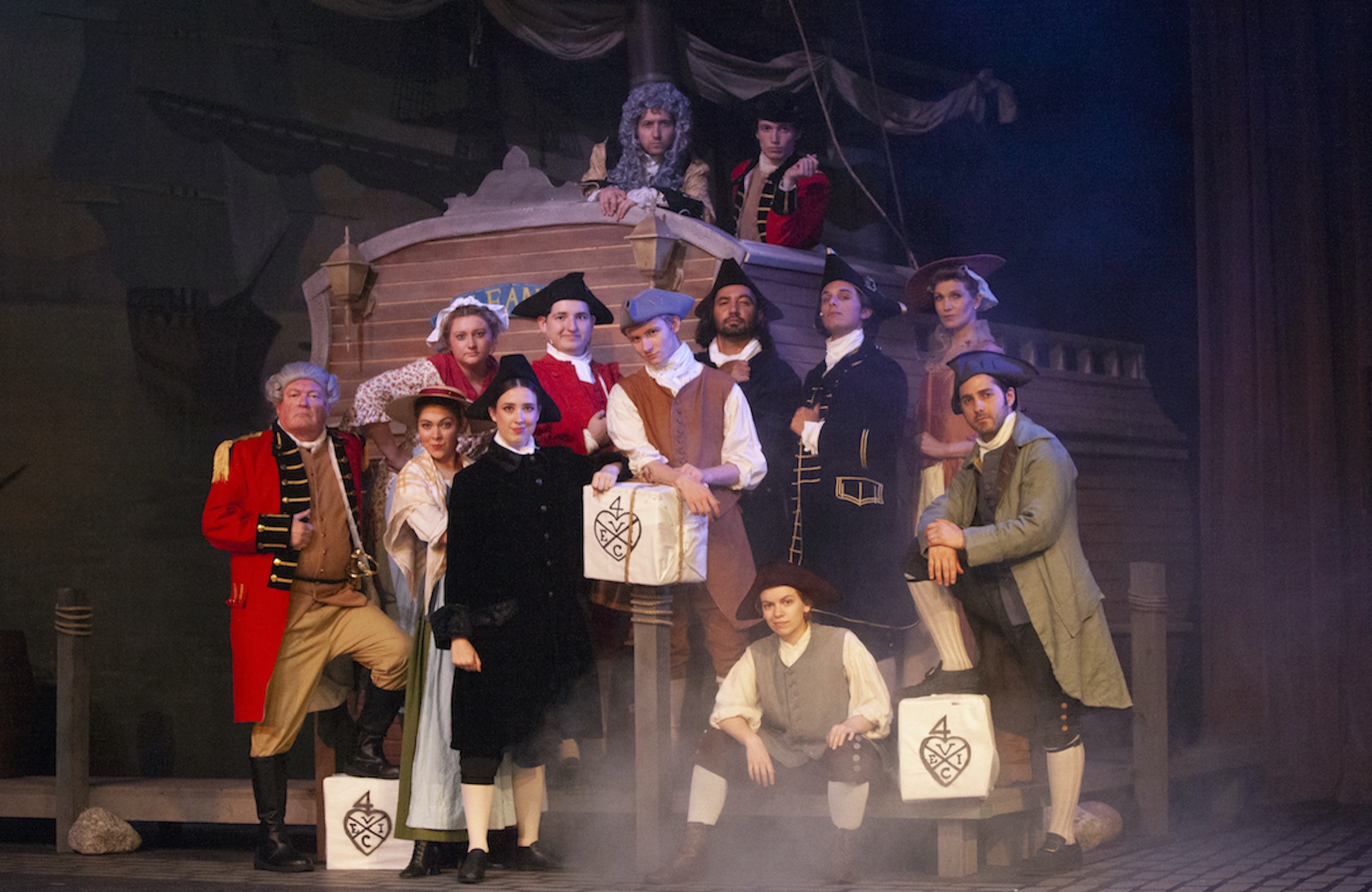
In the shadow of empire and on the edge of revolution, Rebel Town brings to life the restless streets of 1773 Boston — where dockworkers, merchants, and mothers stand at the crossroads of history. As tensions rise over the arrival of taxed tea, a divided city awakens to the question that will define a nation: submit… or stand.
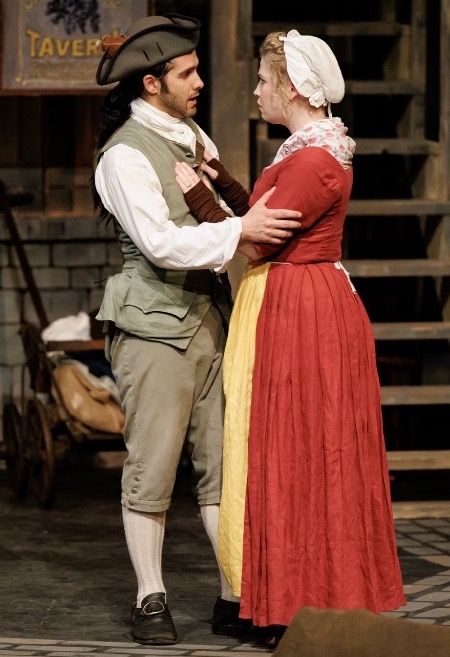
At the heart of the story is William Grey, a war-worn carpenter caught between loyalty to his family and duty to a growing cause, and Sarah, his fiercely intelligent wife, who discovers her own power not with musket, but with ink. Inspired by voices like Mercy Otis Warren, Sarah becomes the anonymous force behind a wave of revolutionary writings that ripple through Boston, stirring courage — and danger — in equal measure.
Meanwhile, a spirited young apprentice, Peter Slater, dares to dream beyond his station, unwittingly helping ignite one of the most pivotal acts of defiance in American history.
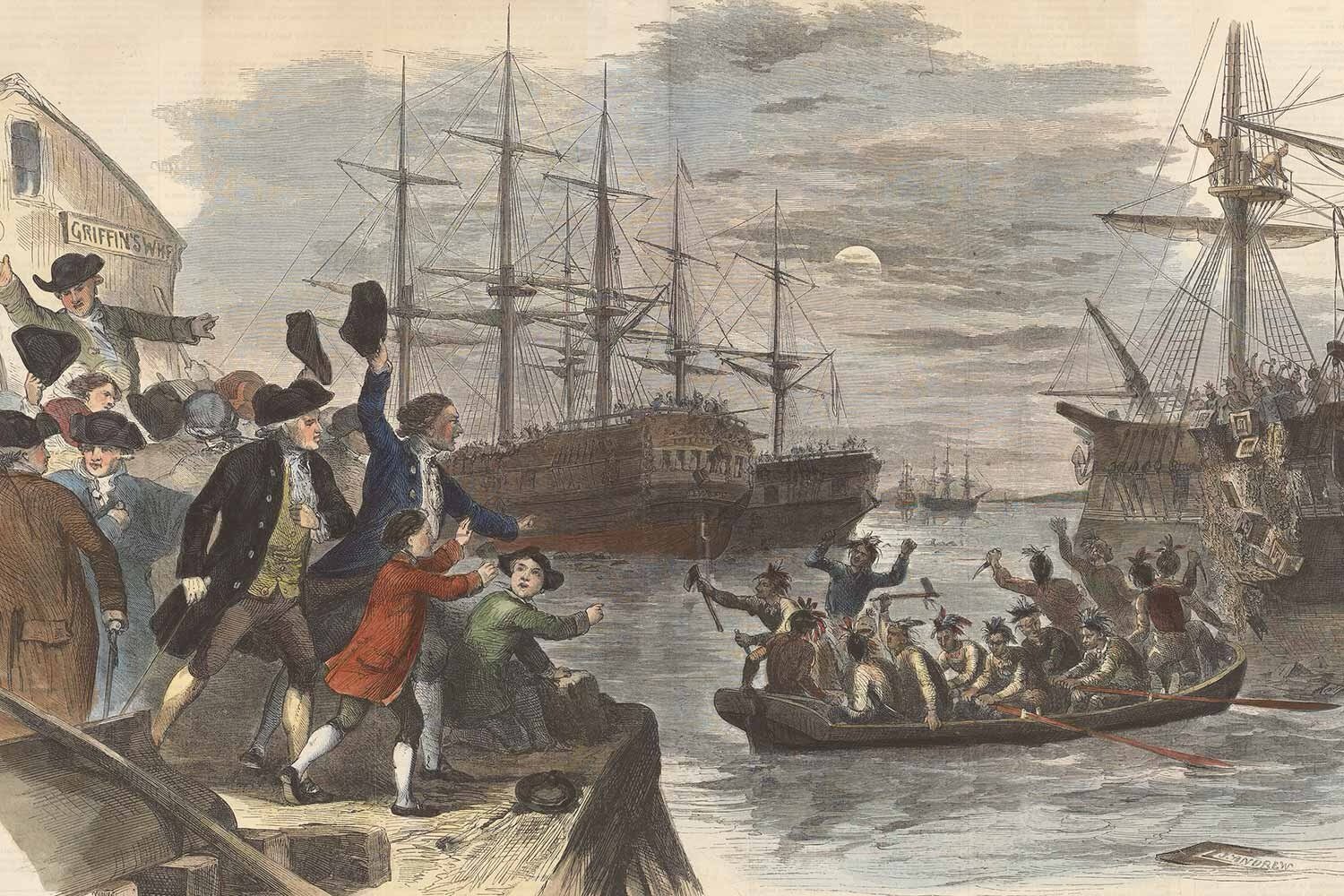
Led by figures like Samuel Adams, John Hancock, and Paul Revere, the Sons of Liberty move from whispered meetings to bold action, culminating in the infamous destruction of the tea and the midnight ride that sets the colonies ablaze. But as rebellion turns to revolution, the cost becomes deeply personal: families are torn apart, loyalties tested, and the line between heroism and sacrifice begins to blur.
With a sweeping score that blends rousing ensemble numbers, intimate ballads, and driving anthems of resistance, Rebel Town is a powerful new musical about ordinary people who dared to shape extraordinary history. It is a story of voice and courage, of love and loss — and of a city that lit the spark for a nation still striving to live up to its promise.
This is the story of the American Revolution — before it had a name.
Themes & Resonance
Voice, power, and the making of a people.
I. Voice as agency
The central thematic engine of Rebel Town is voice — its emergence, circulation, and consequence. Through Mercy Warren's mentorship and the number "The Pen Is Mightier Than the Sword," the work reframes revolution as not solely the domain of physical action, but of narrative construction. Sarah's arc — from domestic partner to anonymous pamphleteer — embodies the transformation of private thought into public force.
II. Three paths to resistance
A striking structural achievement is the show's triangulation of revolutionary response through three principal characters: William's pragmatic survival, Sarah's principled expression, and Peter's idealistic action. There is no clear moral victor — instead, the libretto foregrounds tragic simultaneity. Each stance is justified, yet mutually incompatible.
III. Public and private spheres
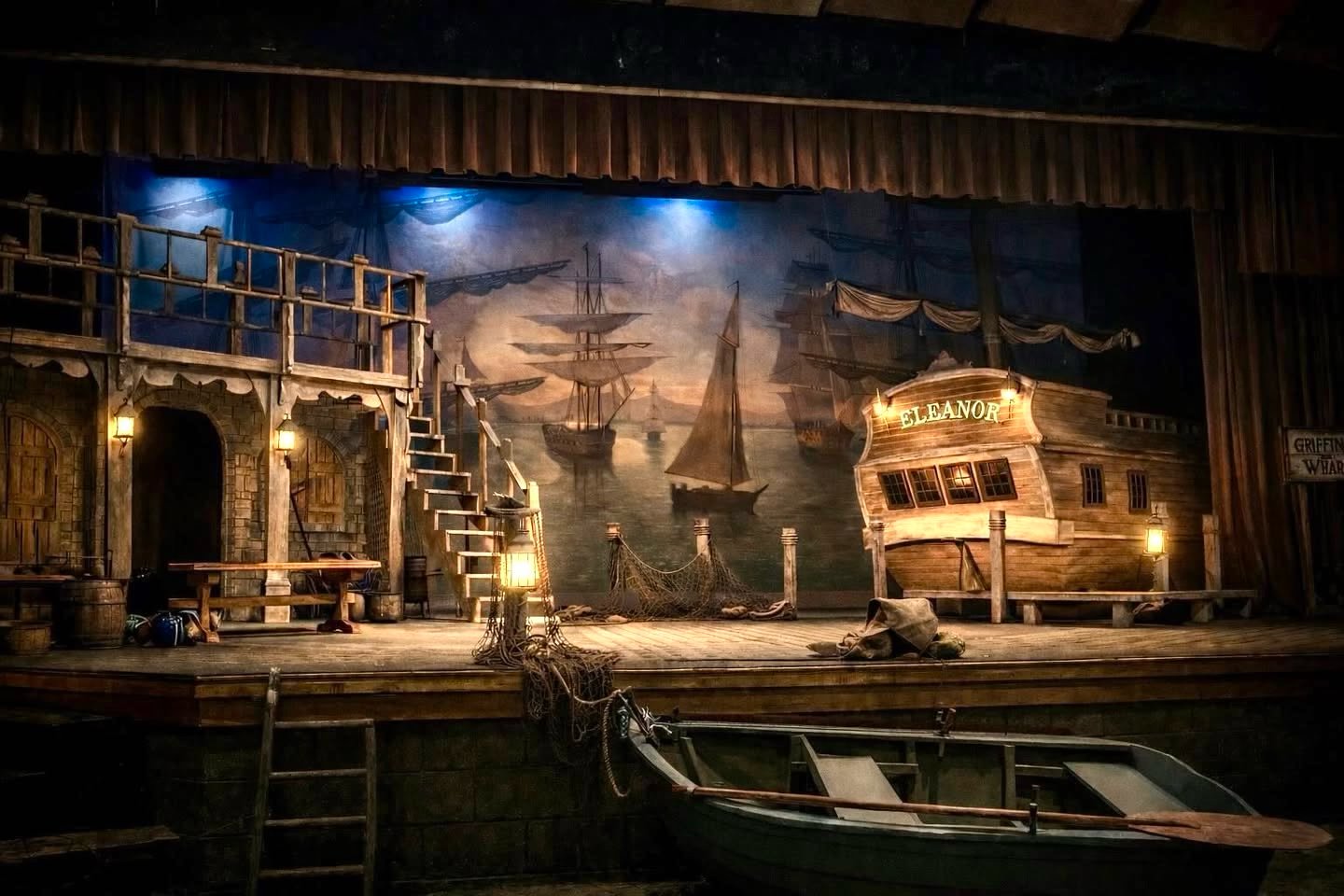
Scenes at the wharf and Liberty Tree are counterbalanced by domestic exchanges — anniversaries, shared meals, maternal concern. "How Far Will You Go?" stages a dialogic interrogation where women challenge the romanticization of war with the lived reality of loss. The domestic is not ancillary; it is the moral barometer of the revolution.
IV. Power and performance
Figures like Samuel Adams, John Hancock, and Paul Revere are rendered not as static icons but as performers of leadership. In "The Everyday Rabble Organizer," Adams self-consciously narrates his role as a manipulator of public sentiment. In "Good King Hancock," the chorus elevates Hancock to quasi-monarchical status even as it mocks the very structures of monarchy.
V. The ensemble as body politic
Numbers like "Say Fie!" and the finale's "The City on a Hill" rely on layered voices to construct a sense of communal identity. The chorus is not background — it is the body politic, shifting from marketplace chatter to revolutionary force.
VI. Then and now
Though rooted in 18th-century Boston, Rebel Town resonates strongly with contemporary discourse. Its exploration of media and messaging (pamphlets as proto-social networks), grassroots organization vs. institutional power, gendered access to public voice, and the ethics of protest mirrors current debates in democratic societies.
In an era where questions of voice, power, and collective action remain urgent, Rebel Town offers not answers but a language for inquiry.
Project History
Six years in the making.
Rebel Town is a new and original musical theatrical experience developed since 2020 in the Berkshires by Berkshire County native John Alan Segalla. Centered on the events of the Boston Tea Party, the work blends live music, storytelling, and historical interpretation to bring audiences into a vivid, human-scale portrait of the American Revolution.
- 2019 — Writing begins.
- 2020 — First libretto and demo recording completed; concept album recorded; radio drama adaptation produced.
- 2023 — Live concert presentation.
- 2024 — Workshop at Berkshire Community College and premiere staged production.
- 2026 — Major rewrite and full America 250 production. (That's where you come in.)
Re-written and revised since the 2024 workshop premiere, the upcoming 2026 production aligns with the America 250 commemoration and features a cast and creative team of local Berkshire County adult and student actors, musicians, and technicians. The current iteration reflects ongoing script development and musical refinement in preparation for a fully realized production.
Beyond the stage, the project includes community engagement through partnerships with local schools, libraries, and historical organizations — extending the experience into the broader Berkshire community and positioning Rebel Town as a lasting cultural offering.
For Educators & Students
Bring your class to Rebel Town.
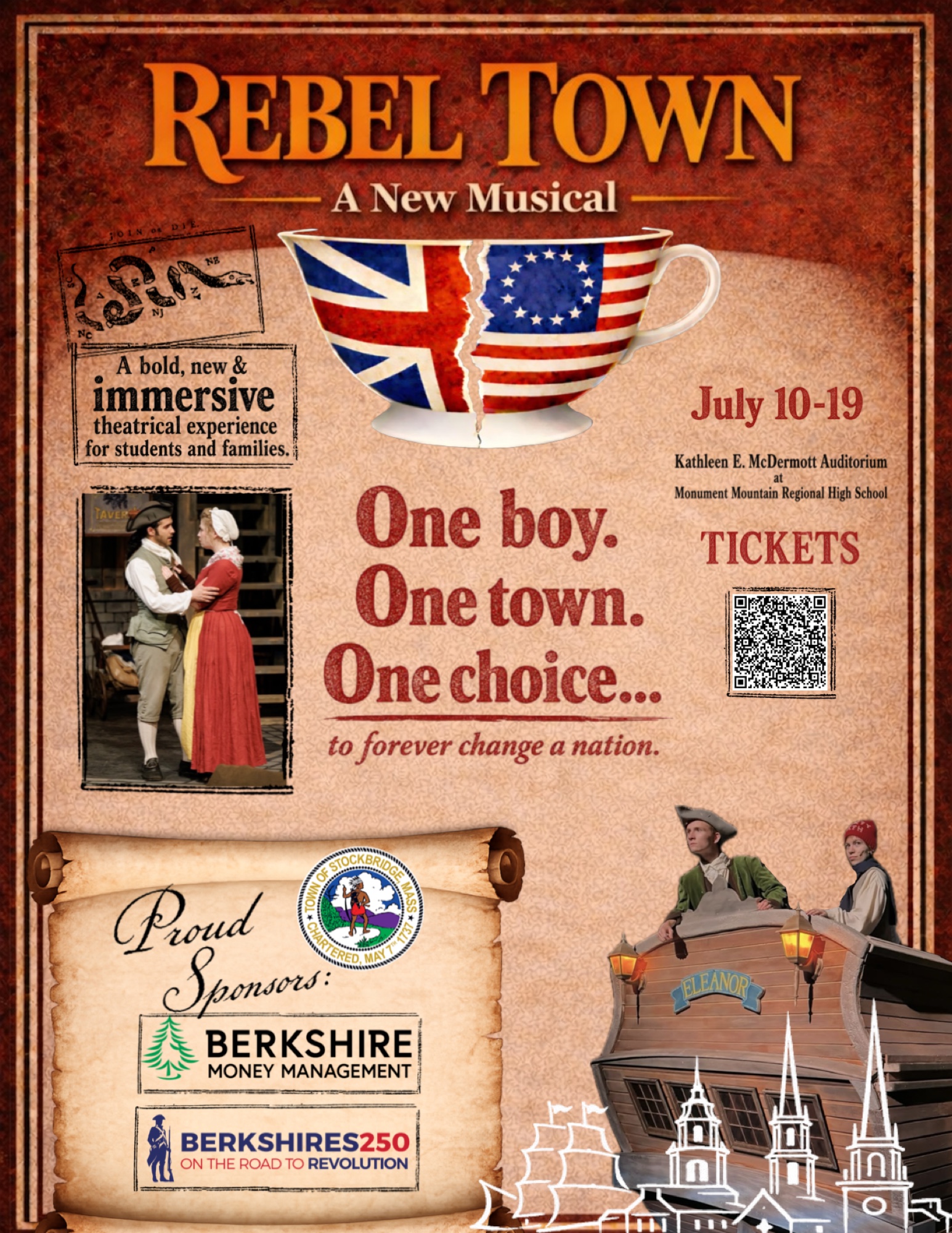
A new American musical about the Boston Tea Party, performed in the Berkshires for the America 250 commemoration. Rebel Town connects history, civics, and the performing arts in a way that's accessible for middle- and high-school audiences.
- Group rates & class trips. Reduced ticket pricing for student groups, with 20% discount codes available to local schools.
- Pay-what-you-can performance. July 15 — accessibility for Stockbridge residents and families.
- Curriculum tie-ins. Connections to U.S. history, Revolutionary-era civics, women's history, and theatrical literacy.
- Talkbacks & visits. Cast and creative team available for post-show Q&As and classroom visits, by arrangement.